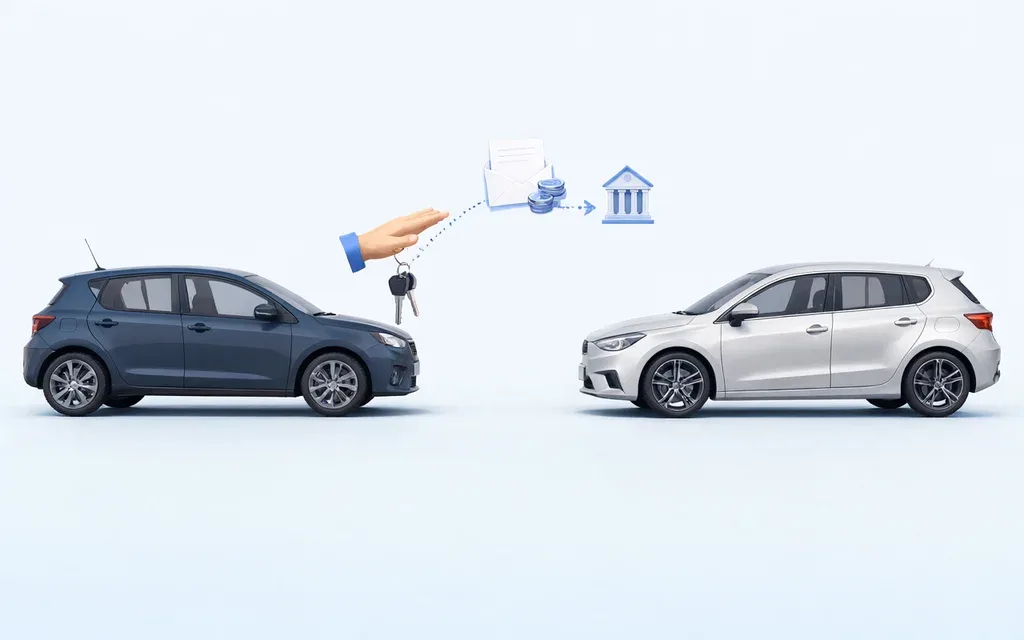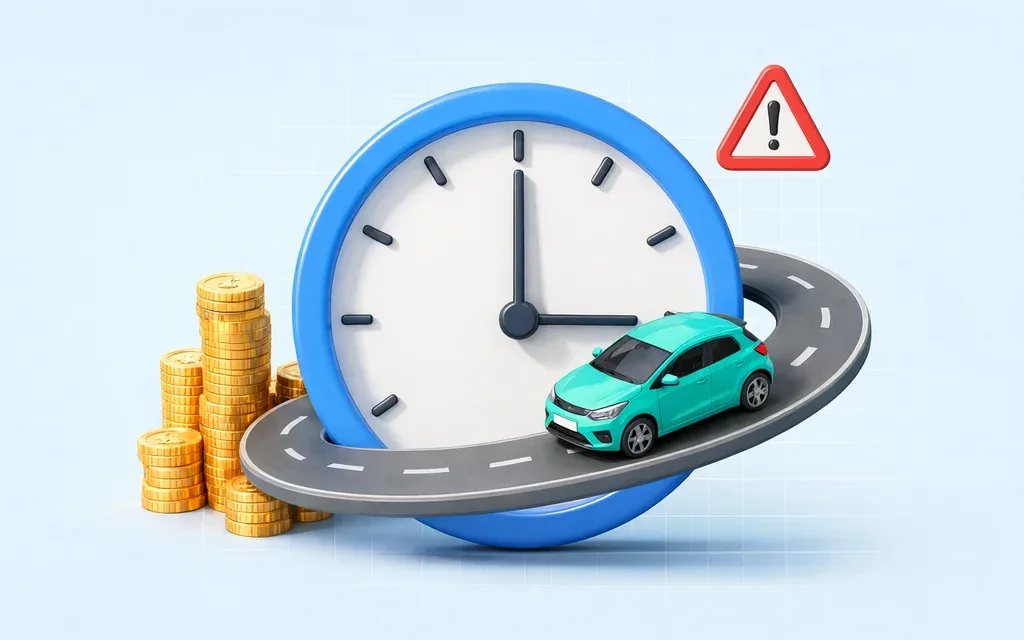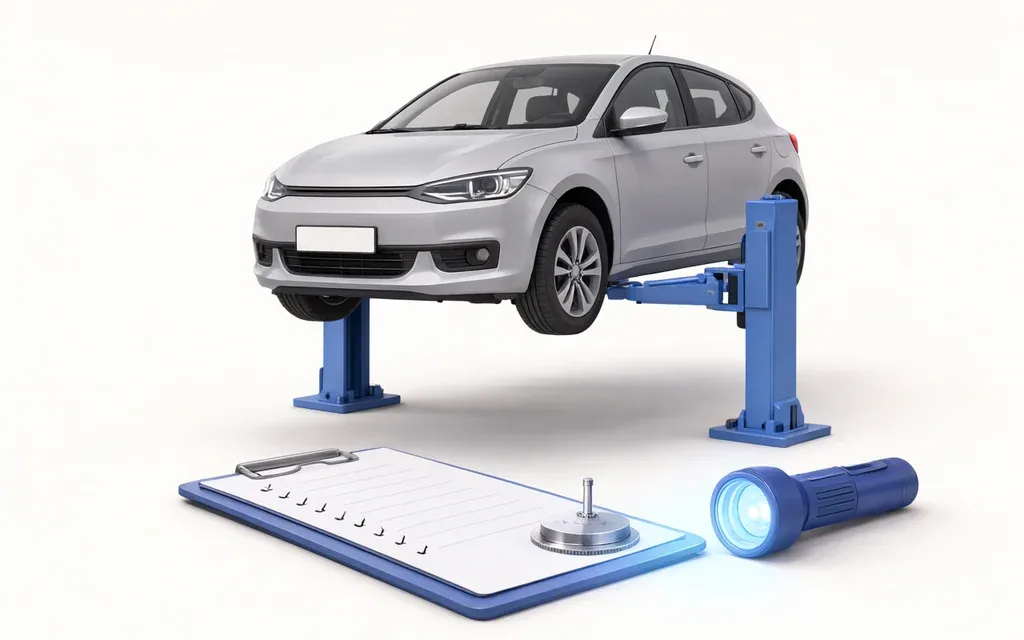
Part exchanges, trade auctions, private sellers, fleet returns and other dealers each bring vehicles at a different landed cost and a different risk. The dealers who buy well know what each channel really costs them before they commit, not after the vehicle is on the forecourt.
Every used-vehicle dealer in the UK knows the saying: you make your money when you buy. The other half of it is rarely said out loud. Buying is also where money disappears fastest, because a vehicle bought at the wrong total cost cannot be sold at a profit, however well it is prepared and advertised.
There is no single best channel. A part exchange that arrives on your forecourt costs nothing to find, an auction gives you choice and volume, a private seller can leave room for a healthy profit margin. Each one also brings its own costs, paperwork and risks. The useful question is not where vehicles are cheapest, but where the vehicle you need ends up cheapest once it is ready to sell.
Part exchange: the vehicle that comes to you
For most independent dealers part exchange is the most important source of stock. The vehicle arrives with a buyer already committed to another vehicle, there is no auction fee or transport, and you can see it, drive it and talk to the person who owned it.
The allowance is part of the sale, not a separate deal. A generous allowance can win a sale, but the profit margin you give away on the part exchange has to come back on the vehicle you sell. Work out what the part exchange is worth to you as stock: what it will sell for, what it needs, and whether it suits your forecourt at all. A vehicle you will send straight to auction is worth its trade value less the cost of getting it there.
Ask early whether there is finance outstanding. A part exchange on hire purchase or PCP still belongs to the finance company until the settlement is paid, and the settlement has to be part of the deal from the start.
Trade auctions: choice at a price
Physical and online trade auctions give you access to more vehicles than you could ever source locally: fleet and lease returns, part exchanges other dealers do not want, and manufacturer stock. You can fill gaps in your range quickly and buy to a plan.
The hammer price is only the start. On top come the buyer's fee, transport to your site, any missing service history or keys, preparation and, for a vehicle close to its due date, a fresh MOT. Condition reports help, but you buy without driving the vehicle, so allow for what the report does not tell you.
Set your maximum bid from the top down: start from the price you can realistically advertise at, take off the profit margin you need and every cost between auction and forecourt. What is left is your limit. Bidding on feel and working out the costs afterwards is how auction stock ends up losing money.
Private sellers
Buying direct from private sellers often leaves the most room between purchase price and retail. There is no auction fee and you can inspect the vehicle properly. Many sellers prefer a quick, certain sale to a dealer over weeks of strangers and test drives.
The checks are all yours. Confirm the seller is the registered keeper on the V5C and that the details match the vehicle, check the MOT history and the mileage, and get the seller to declare in writing whether there is outstanding finance or accident damage. A provenance check for finance, write-off and stolen markers is worth its cost on every private purchase.
Keep the paper trail. A purchase invoice the seller signs, with the price, the vehicle, its registration and the seller's declarations, protects you if a question comes up later, and it is the record your margin scheme stock book relies on.
Fleet returns and other dealers
Vehicles coming off lease or out of company fleets are often well maintained, with full service history and predictable mileage. They usually reach the trade through remarketing companies and auctions, sometimes in batches. Check how each one is invoiced: a vehicle sold with VAT shown on the invoice is sold on with VAT on the full price, while one sold without VAT can go through the margin scheme.
Other dealers are a source too. A franchised dealer with a part exchange outside its brand, or an independent with too many of one model, may sell trade to trade. These deals are quick and simple but leave less profit margin, so they suit vehicles you know will sell fast.
Compare channels on landed cost
The only fair comparison between channels is the landed cost: everything you pay until the vehicle is ready to advertise. Purchase price, fees, transport, preparation, MOT and the time it stands before it is ready all belong in it.
Track it per vehicle and per channel. After a few months the pattern is clear: which channel delivers vehicles that sell quickly at a good profit margin, and which only looks cheap on the day of purchase. That is the basis for buying more of what works and less of what does not.