A used vehicle sold to a consumer must be of satisfactory quality, fit for purpose and as described. The buyer can reject it within 30 days, and a fault that shows up in the first six months is presumed to have been there at delivery. Checking and recording the vehicle's condition before the sale is your best protection.
The Consumer Rights Act 2015 sets out what a consumer is owed when they buy goods from a trader, and a used vehicle is no exception. The rules apply whatever the price, whatever the age of the vehicle, and whatever it says on the sale order.
"Sold as seen" does not remove a consumer's rights. A dealer cannot contract out of the Act when selling to a private buyer. What a dealer can do is make sure the vehicle meets the standard, describe it accurately and keep the evidence.
What the buyer is owed
Every vehicle sold to a consumer must be of satisfactory quality, fit for any purpose the buyer made known, and as described. Satisfactory quality takes the vehicle's age, mileage and price into account: a ten-year-old vehicle with 100,000 miles is not expected to be as good as new, but it is expected to be safe, roadworthy and as durable as a reasonable person would expect for the money.
What you say counts as part of the contract. The advert, the description, the mileage and anything said on the forecourt or the phone form part of what the vehicle has to be. An accurate description protects you; an optimistic one becomes a promise.
The first 30 days
If the vehicle has a fault that makes it not of satisfactory quality, not fit for purpose or not as described, the buyer can reject it within 30 days and is owed a full refund. The 30 days start once the buyer owns the vehicle and has taken delivery.
The buyer can also ask for a repair or a replacement instead. Many buyers prefer the vehicle fixed, and a quick, fair repair often keeps both the customer and the sale. While the repair runs, the 30 days stop counting.
The first six months
After 30 days the buyer is entitled to one repair or replacement. If that does not fix the fault, they can reject the vehicle for a refund or ask for a reduction in price. For motor vehicles, the refund on this final rejection can be reduced to account for the use the buyer has had, even within the first six months.
Within six months of delivery, a fault is presumed to have been present at delivery unless the dealer can prove otherwise. After six months the burden moves to the buyer. That presumption is why evidence of condition at the point of sale matters so much.
Buying at a distance
When a vehicle is sold without the buyer visiting, online or by phone, the Consumer Contracts Regulations 2013 add a 14-day cancellation period on top of the rights above. The buyer can change their mind without giving a reason.
Make it part of the process. Give the buyer the cancellation information they are owed before the contract, and keep a record that you did.
Evidence is your protection
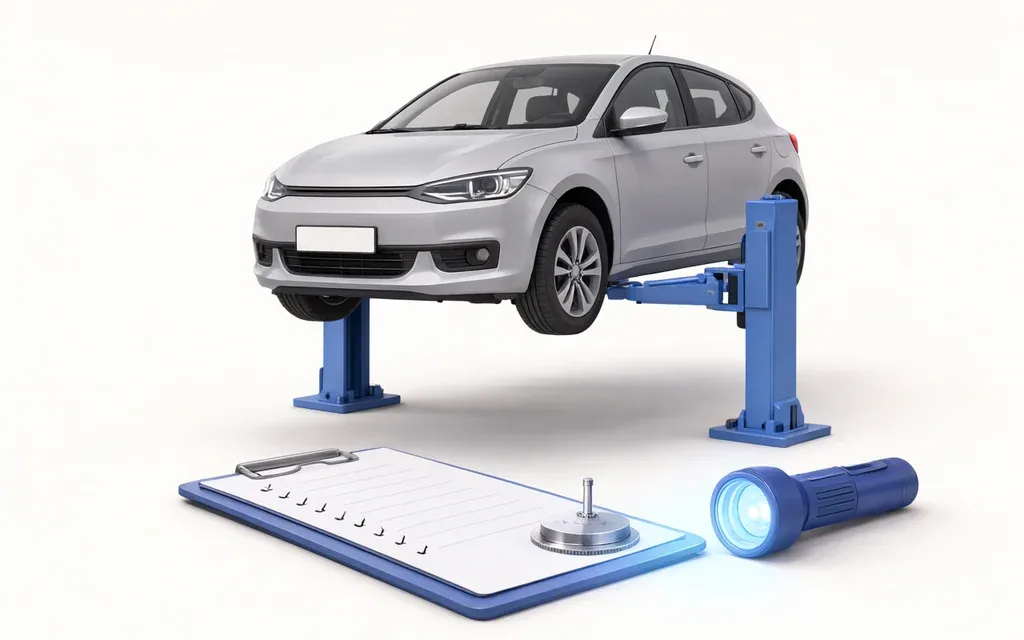
The dealer who comes out of a dispute well is the dealer who can show what the vehicle was like on the day it left. That means a check before the sale, an accurate description and a signed record at handover.
Check the record, not only the vehicle. Mileage that matches the MOT history, a valid MOT, no outstanding recall and a description that matches the paperwork remove the most common reasons for a rejection before the buyer ever drives away. The handover form, with the mileage and condition signed by the buyer, closes the file.